The GRC Journal
Keep up-to-date with the latest news, stories, and studies surrounding the Glassfibre Reinforced Concrete industry in the Power-Sprays GRC Journal, updated regularly.

PCE superplasticisers are transforming modern GRC production by improving workability while maintaining a low water-to-cement ratio. By enabling self-compacting GRC, Polycarboxylate Ether (PCE) technology helps manufacturers eliminate mechanical vibration, achieve superior surface finishes, reduce labour requirements, and produce complex architectural components with greater efficiency and consistency.

FRP rebar is increasingly being adopted across a wide range of construction sectors due to its corrosion resistance, durability, and long-term performance benefits. Whilst often associated with bridge infrastructure, Fibre Reinforced Polymer reinforcement is equally suited to marine structures, precast concrete products, architectural installations, industrial facilities, and specialist environments where traditional steel reinforcement may be unsuitable.
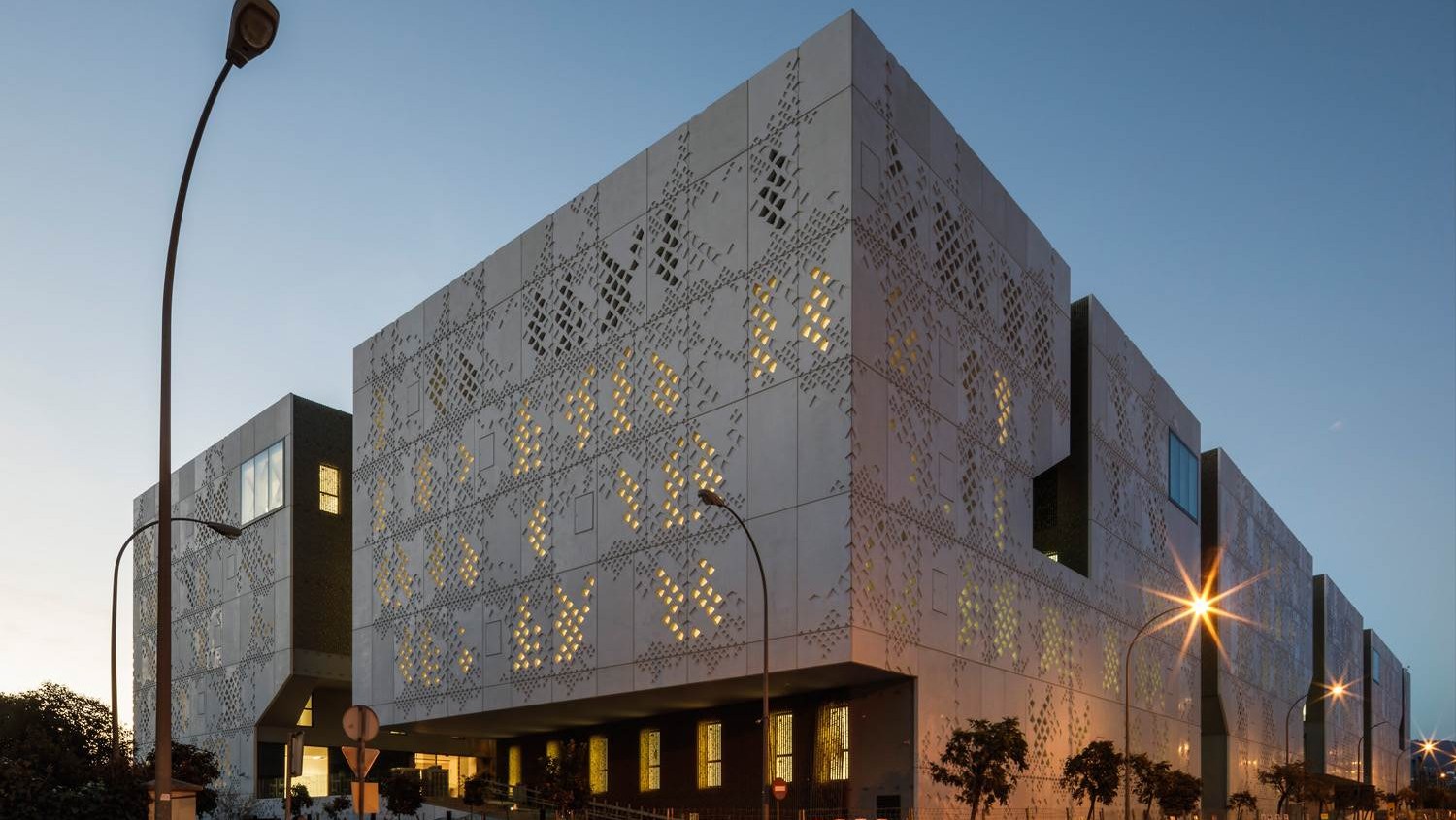
Façade cladding is an efficient and effective approach to construction used by architects, engineers, contractors and developers globally. A facade acts as an external skin for a building, offering both practical and aesthetic benefits, ensuring the structure is shielded against external elements whilst improving its appearance.

We're pleased to announce the appointment of our Operations Manager, Richard Lavery, as the Chair of the International Glassfibre Reinforced Concrete Association (GRCA).
It's well-deserved and we're proud that Richard's expertise is being recognised through this role at the helm of the GRCA. In the role he can help guide the Association's mission of promoting best practices, supporting manufacturers and reinforcing international collaboration.

Whereas traditional concrete is typically poured, Glassfibre Reinforced Concrete is generally sprayed due to the often-complex nature of GRC products. Specialist spray guns are required for such a task, designed to align with the production processes of GRC and to accommodate the incorporation of the composite’s key component: AR Glass Fibre.

Glass Reinforced Concrete goes under many names and abbreviations - Glassfibre Reinforced Concrete, GRC, GFRC, Composite Ciment Verre, CCV, Fiber Beton, Fiber Takviyeli Beton and Glasfaserbeton - they all mean the same thing: A concrete composite consisting of a mixture of cement, fine aggregate, water, admixtures, and Alkali Resistant Glass Fibre.

The Glassfibre Reinforced Concrete (GFRC/GRC) production process can be streamlined significantly with advanced GFRC production equipment; learn how you can improve efficiency, reduce costs and enhance the quality of your GFRC products

Façade cladding is an efficient and effective approach to construction used by architects, engineers, contractors and developers globally. A facade acts as an external skin for a building, offering both practical and aesthetic benefits, ensuring the structure is shielded against external elements whilst improving its appearance.

The Slump Test is a simple procedure carried out to determine the consistency of a fresh concrete mix. It’s used for a wide variety of cementitious products but is particularly beneficial for the production of Glassfibre Reinforced Concrete (GRC).

Discover 7 incredible projects that took full advantage of GRC’s impressive set of mechanical properties and demonstrate why this material is a revolutionary force in the construction industry

Find everything you need to know about the Flexural Strength Test – an essential quality control procedure in the GRC production process

Learn more about the Washout Test, a helpful procedure for determining the glass fibre content of GRC products

An essential step prior to production, the Bag and Bucket Tests are carried out to ensure outputs of slurry and chopped glass fibre are consistent with the required glass percentage

The performance of GRC can differ greatly based on the method of production used, read this in-depth comparison of the two most popular methods: Traditional Hand Spray & Sprayed Premix

Discover the key differences between GRC and UHPC and common misconceptions surrounding these popular cementitious composites

The already-expeditious process of modular construction is becoming more efficient than ever through the use of components fabricated from GRC, learn more about how specialists are benefiting from the material

GRC’s balance of durability, versatility and aesthetic potential makes it perfectly suited to meet the demands of outdoor applications