What is Glass Reinforced Concrete?
Everything You Need to Know About GRC
Glass Reinforced Concrete goes under many names and abbreviations.
Glassfibre Reinforced Concrete, GRC, GFRC, Composite Ciment Verre, CCV, Fiber Beton, Fiber Takviyeli Beton and Glasfaserbeton – they all mean the same thing:
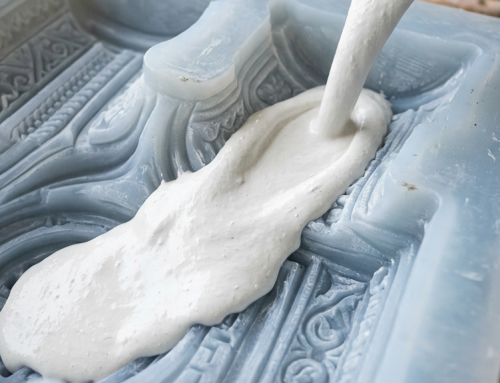
A concrete composite consisting of a mixture of cement, fine aggregate, water, admixtures, and Alkali Resistant Glass Fibre.
Compared to traditional concrete, Glass Reinforced Concrete demonstrates greatly enhanced properties, notably in tensile and flexural strength, durability, insulation and reduction in weight. These numerous practical advantages are combined with a unique aesthetic edge, offering creative freedoms that conventional construction materials simply cannot match.
It is the introduction of AR Glass Fibres into the concrete mix design that endows GRC with such remarkable characteristics. The fibres act as the principal load-carrying component of the composite, whilst the surrounding matrix keeps them in position and transfers the load between the fibres, forming homogenous dispersed reinforcement throughout the material’s composition.

Early Power-Sprays GRC spray station
A Brief History of GRC
The potential of using glass as a reinforcing agent was realised following the successful reinforcement of polyester resins in the 1930’s. This breakthrough led to speculation into similar applications in cement pastes and concrete, however the glass’ low level of alkali-resistance meant that fibre quickly degraded when mixed in the highly alkaline environment of concrete, leading to catastrophic loss in tensile strength.
Early research in the Soviet Union investigated the use of special low-alkali cement matrices in creating glass fibre reinforced products. Although this solution showed promise, the fact that this product wasn’t commercially available stunted further progress.
It wasn’t until the 1960’s when a team from the UK Building Research Establishment made a breakthrough by producing the first Alkali-Resistant Glass Fibre. This innovation was quickly followed by commercial development in the 1970’s, making this game-changing fibre widely available and enabling the early expansion of the Glass Reinforced Concrete market.
Development of Glass Reinforced Concrete continued with the introduction of EN Standards and an increased focus on quality control processes by the International Glassfibre Reinforced Concrete Association, leading to the remarkable GRC products that we see being manufactured today.

The Advantages of Using GRC
As already mentioned, the benefits of Glass Reinforced Concrete are innumerable, particularly when compared to its conventional concrete counterpart. We have a full list available on our website but here’s some examples of GRC’s superiority:
Freedom of Design & Versatile Aesthetics
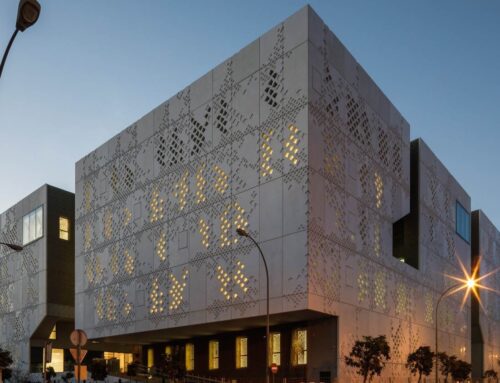
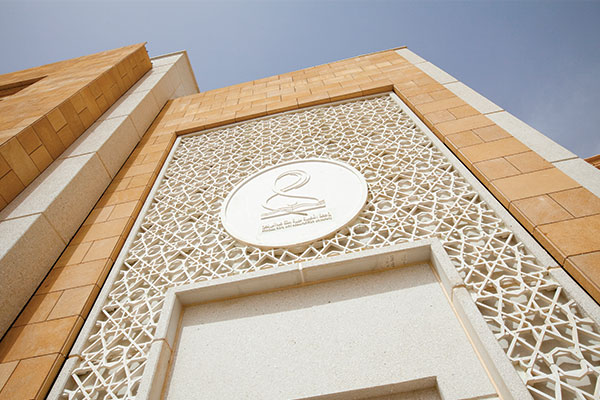
- GRC’s malleable nature allows designers to create intricate and detailed features in all manners of shapes. Moreover, the material can achieve a wide range of colours, surface textures and finishes, acting as a lightweight and durable alternative to products such as wood or natural stone whilst replicating appearances to a high degree of accuracy.
Weather Resistance
- In extreme conditions, GRC demonstrates incredible resilience, exhibiting resistance to a variety of factors such as freeze-thaw cycles, chemical exposure and UV radiation.
Incredible Flexural & Tensile Strength
- Research has shown that AR Glass Fibres yield a 30% greater tensile strength than steel. The addition of these fibres endows GRC with remarkable 3-Dimensional strength, forming products that forgo additional reinforcement without making concessions in overall performance.
Lightweight
- Whereas traditional concrete panels rely on heavy steel reinforcement and require a minimum coverage of concrete to prevent corrosion, GRC can be formed into incredibly thin panels which still maintain structural integrity due to the reinforcing fibres at the core of its matrix. This characteristic is particularly beneficial in cases where stringent manual handling regulations are in place as the lightweight nature of the products mean that they can often be lifted manually.
Enhanced Durability
- Properly designed, manufactured and installed GRC products can expect a service life well in excess of 80 years with minimal maintenance, largely in part to it being insusceptible to corrosion, unlike many other reinforced concrete products. Other factors such as the material’s low permeability and very slow rate of carbonation contribute to this remarkable lifespan.
Environmentally Friendly
- Considered by many to be a ‘green material’, GRC offers a resource-efficient approach to construction, negating requirements for steel reinforcement and increased quantities of cement in order to sufficiently meet performance parameters. In fact, studies have shown that when compared with its precast concrete equivalent, GRC has a far lower environmental impact by a factor of as high as 60%.
What Are the Uses of GRC?
Glass Reinforced Concrete is used around the world on a vast range of different applications. Here are the 3 main categories in which GRC can play a key role:
Architecture
- Cladding
- Landscaping
- Features & Mouldings

Building
- Roofing
- Walls & Windows
- Renovation
- Foundations & Floors
- Modular Building
Engineering
- Permanent Formwork
- Utilities
- Acoustics
- Bridges & Tunnels
- Water & Drainage
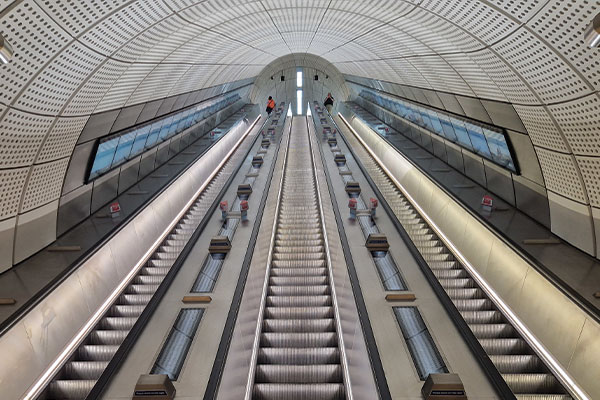
If you’re interested in reading more about the specific uses of GRC, visit the case study section on our website to see how the material is being utilised to great effect in projects around the world, such as the Atlantis Hotel in Dubai and the Elizabeth Line in London.
Got a Question About GRC?
From production equipment to raw materials, we’ve got the knowledge and expertise to answer your GRC enquiry
How is GRC Manufactured?
GRC’s complex set of properties are influenced by several parameters, including water:cement ratio, porosity, fibre content, orientation and length, and notably – the method of production.
The two most popular production methods used by Glass Reinforced Concrete manufacturers are the Traditional Hand Spray and Sprayed Premix techniques. As a general rule, larger items are manufactured using such spray techniques whilst smaller products are manufactured using a poured premix method, such as Cast Premix.

Traditional Hand Spray
Traditional Hand Spray is a time-tested method. Used for decades in GRC production, it’s the most versatile and popular production technique and the one most often chosen by new start-ups.
Through a specially designed spray gun, such as the Concentric Spray Head, manufacturers simultaneously spray chopped AR Glass Fibres and cementitious slurry onto a mould, efficiently distributing fibre throughout the mix. This process is followed by hand compaction using a Spring Roller to ensure maximum flexural strength is achieved.
This method is known for achieving the highest strength levels, attributable to its high content of AR Glass Fibre (4-5% by weight), elongated fibre lengths and planar fibre orientation.
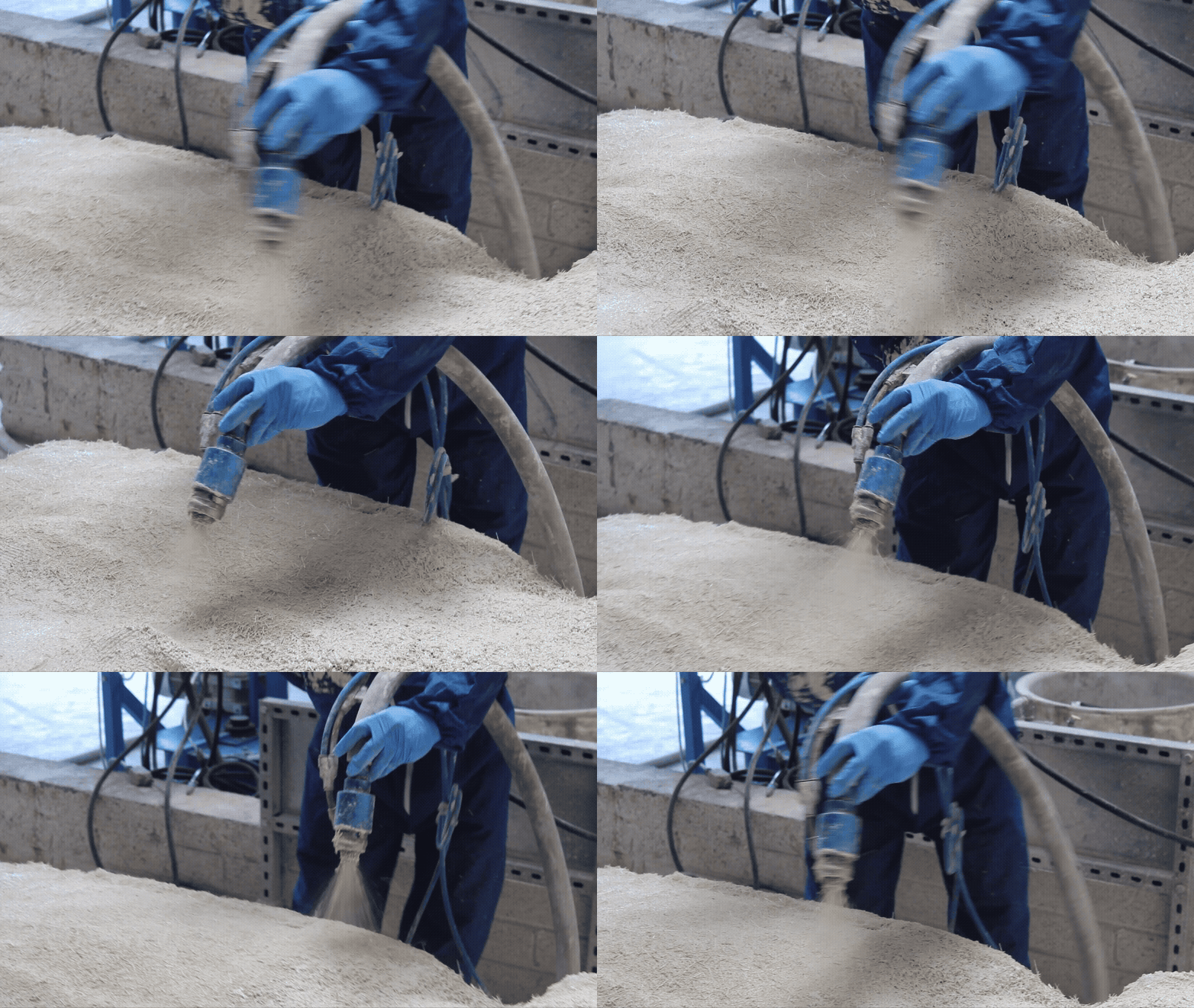
Sprayed Premix
As the name suggests, the Sprayed Premix method involves the spraying of premixed GRC. Prior to spray application, chopped AR Glass Fibre and a cementitious slurry are combined before being subsequently applied using a specially designed spray gun such as the MK5A.
Compared with Traditional Hand Spray, strengths attained through the Sprayed Premix method are generally lower, mainly due to the reduced AR Glass Fibre content (generally around 3% by weight), shorter fibre lengths and a multi-dimensional fibre orientation.
Although falling short in this respect, the Sprayed Premix approach stands out by delivering mechanical properties that are more consistent and, in some cases, superior to those attained through the Cast Premix method. Moreover, this technique ensures uniform distribution of fibres throughout the mix, resulting in GRC products that exhibit exceptional integrity and strength.
By combining the advantages of both Traditional Hand Spray and Cast Premix methods, Sprayed Premix is fast becoming the method of choice for producing a vast variety of smaller architectural items.
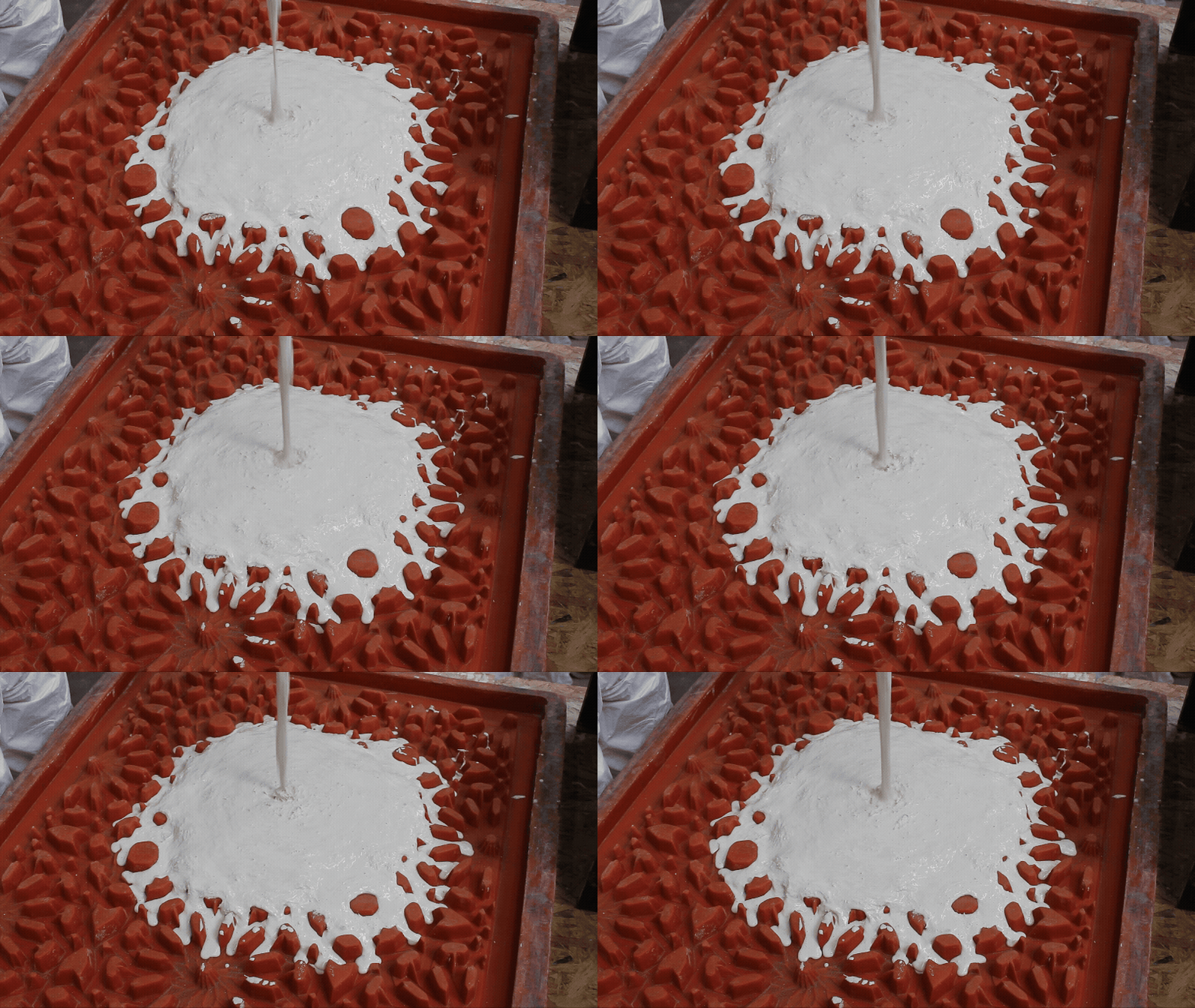
Cast Premix
Cast Premix is one of the simplest methods of producing GRC, requiring just a mixer and raw materials.
The method involves mixing chopped AR Glass Fibre into a cementitious slurry before being poured directly onto a mould. The key to getting the best results is in the speed of the mixer: running it too fast risks overmixing and adversely affecting the fibre strand integrity, whilst running it too slow risks uneven fibre distribution throughout the mix.
Once prepared, the resulting GRC mix can be poured directly onto moulds and compacted using either vibration or through admixtures included in the mix, such as Flowaid SCC.
The mix is left in the mould and cured for 24 hours underneath polythene to prevent moisture loss. After this period of curing, the product is demoulded and left to remain curing in moist conditions under polythene for a further 7 days.
Cast Premix is a favoured method for the manufacture of standardised products due to the ease of automation it offers. Even when using complex moulds, manufacturers can be assured of consistent results, although with slightly lower mechanical properties.
Conclusion
It should be of no surprise that Glass Reinforced Concrete has become so widely used in construction projects around the world. The material’s versatile set of properties make it well-suited for a vast array of different applications from architecture to engineering, providing an all-purpose solution for meeting a range of project specifications.
Development is still ongoing: just recently, the new European Standards for GRC came into effect which should lead to further innovation in the industry.
When it comes to producing GRC, you need the right machinery and materials. We’ve been manufacturing and supplying GRC production equipment to the world’s top GRC specialists for over 50 years and have been providing specialist materials for over 30 years through our associate company, Fibre Technologies International.
If you have any queries regarding getting started in GRC production or are looking for advice and consultation on improving your current operations, we’re here to help. Send us an email or call us at:
0117 982 0067
For further information on GRC, visit the GRCA website.