Everything You Need To Know About The Washout Test
GRC Quality Control Series
Glassfibre Reinforced Concrete is a remarkable and complex composite capable of attaining incredible strengths and demonstrating astounding longevity. In fact, properly designed, manufactured and installed GRC products can expect a service life well in excess of 80 years. However, this exceptional lifespan is heavily reliant on following best practices in quality control throughout the production process.
Years of research and development in the GRC industry have led to a carefully determined set of guidelines that can be followed by manufacturers in order to produce GRC products that achieve the best performance capabilities. This is a guide to one of these quality control processes: the Washout Test.
It should be noted that since writing this guide, the following test has been removed from the European standards.
Introduction
As well as accurately calibrating the GRC Spray Equipment through Bag and Bucket Tests, manufacturers can carry out Washout Tests to ensure that the correct amount of glass fibre is being used and that the mechanical properties obtained from the finished product are in accordance with the specification.
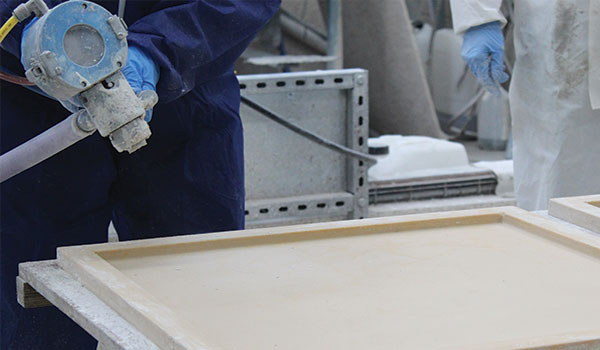
In order to test this, GRC sample boards are produced daily. These 600 x 600 mm boards are cast/sprayed during the production of the first panel and are produced in the same manner so they are considered representative in terms of material quality.
Once the sample board has been completed, determinations of glass content are carried out immediately so that if the results do not correspond with the calibration, the calibration procedure can be repeated. This test is not essential with Premix GRC where the percentage of fibre is already accurately known, however it can be used to check the uniform distribution of the fibre. The remainder of the sample board is cured in the same manner as the panel for seven days, when flexural and density tests are carried out.
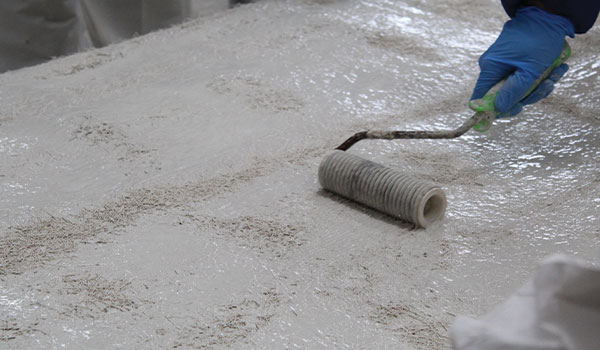
Determination of Glass Content (Washout Test)
Principle
The glass content is determined by comparing the mass of specimens before and after all material other than the glass fibre has been washed away.
Test Specimen
As preparation for the Washout Test, test specimens must be taken from a test board prepared in a manner that represents the product in composition, manufacturing process and thickness. Once the board is prepared, specimens are then cut from the green state using a sharp knife, resulting in test specimens that have clean cut edges. The specimen size must be nominally 150 x 50mm and no less than 3 test specimens should be taken from a test board to obtain a mean glass content for the board. The specimens should be chosen so to be as representative as possible of the total areas of the test board.
Apparatus Required
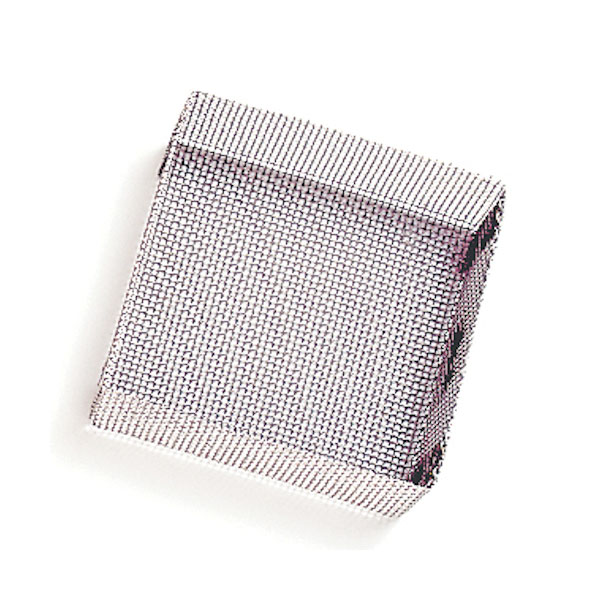
Mesh Baskets
75 x 100 x 25mm made from 3mm stainless steel mesh to BS481. One basket is needed for each specimen tested
Laboratory Balance
Capable of weighing 1,000 grams in increments of 0.1 gram maximum, accurate to +/- 0.05gm
Laboratory Muffle Furnace
With ventilation, capable of maintaining a temperature of 500°C, +/- 5°C
Or Laboratory Oven
With forced air circulation and ventilation capable of maintaining a temperature of 110°C, +/- 5°C
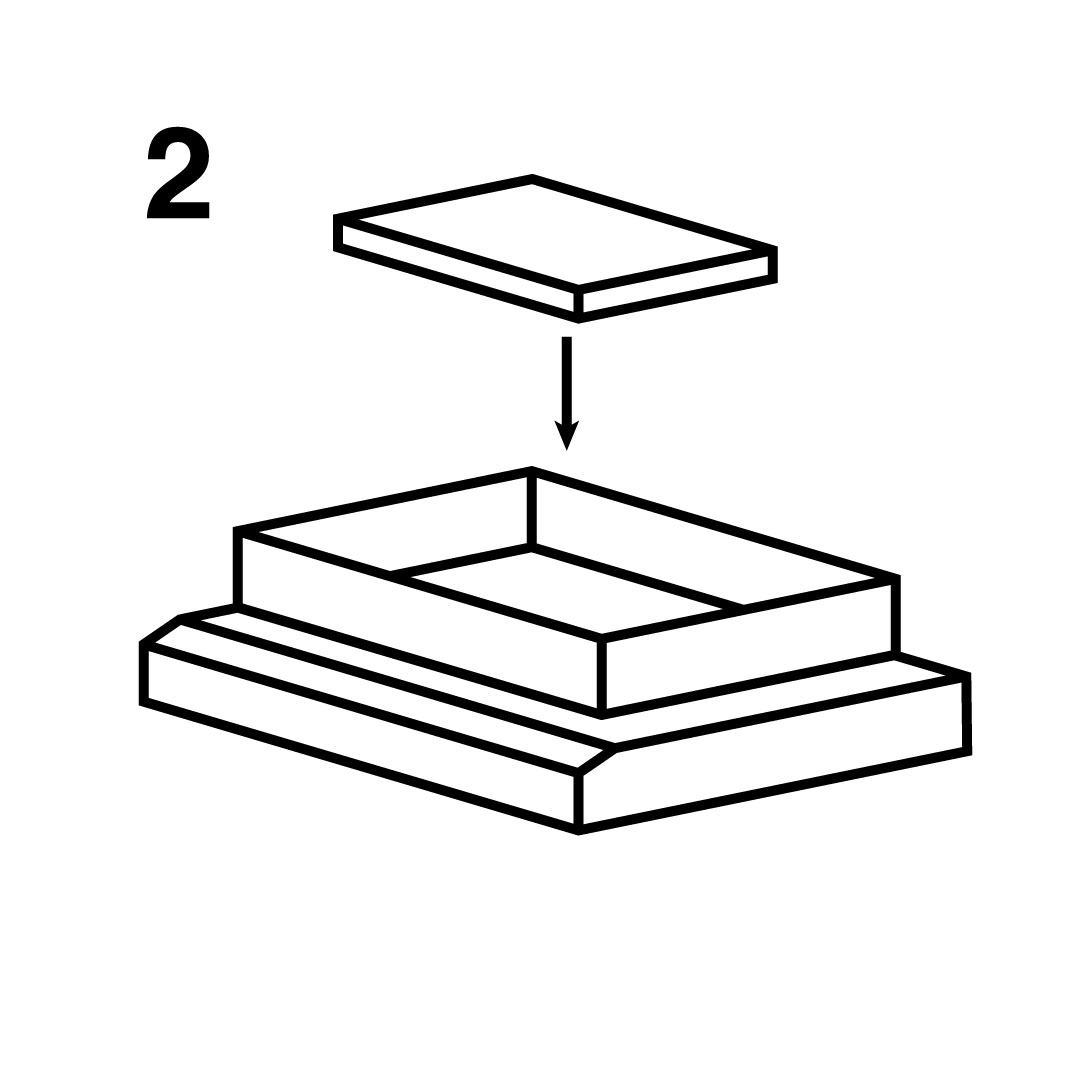
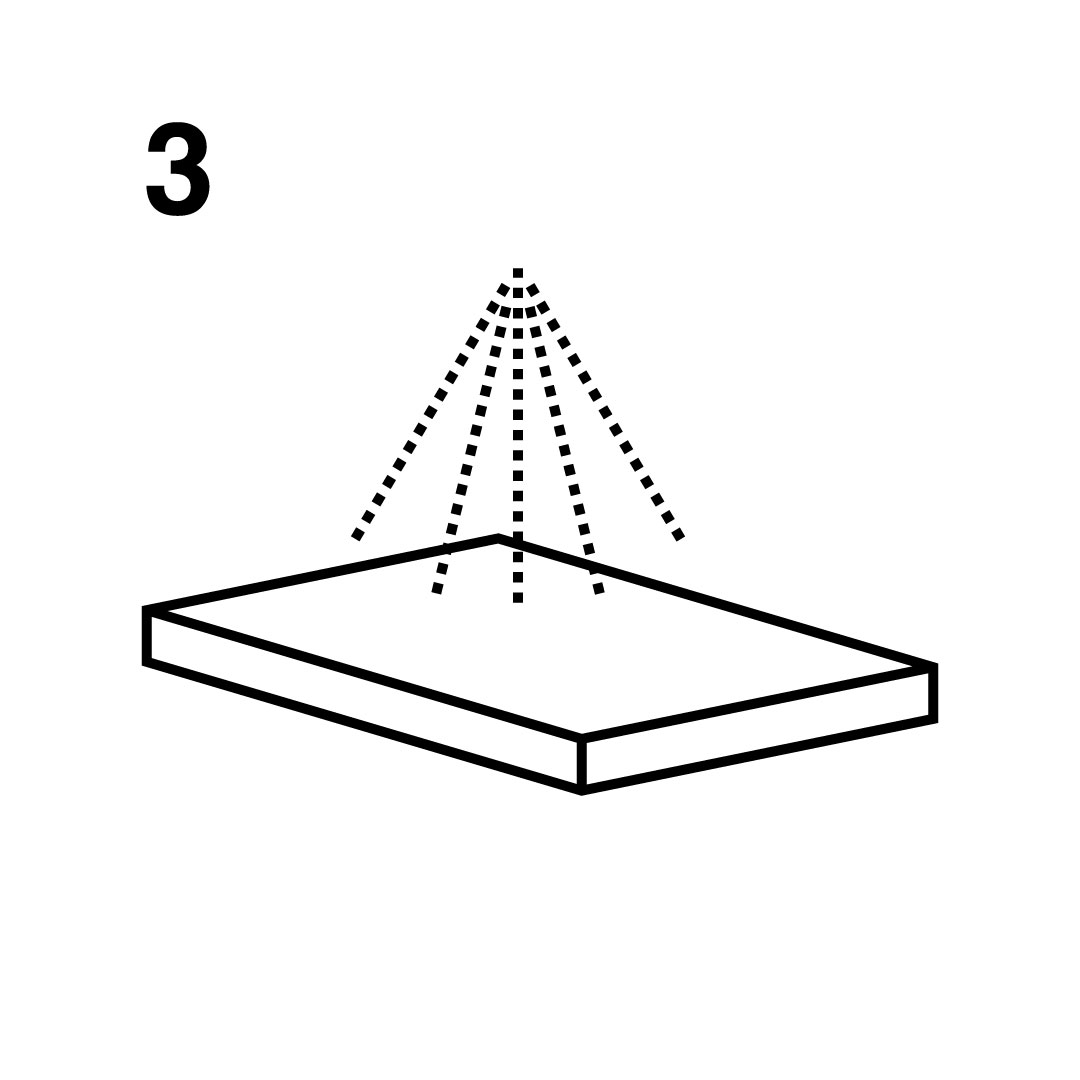

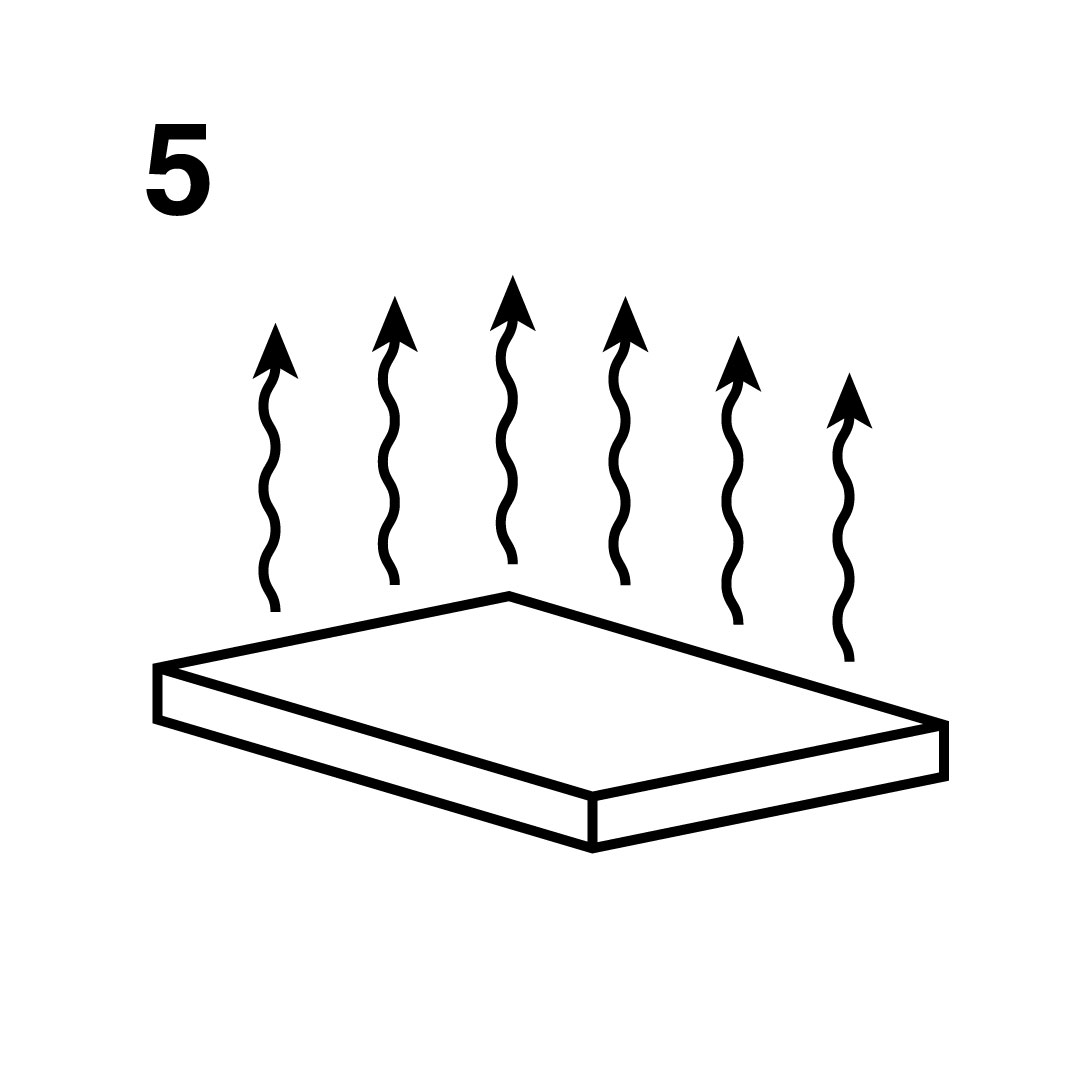

Procedure
- Weigh a dry mesh basket and record its weight (M1)
- Place a specimen in the weighed basket. Re-weigh the basket and its contents and record the total weight (M2)
- Place the basket and contents under a stream of running water and work the specimen with your fingers or a suitable implement to break it up, ensuring that no glass fibre is lost
- When all the cement and other solid particles (other than the glass fibre) have been washed away, dry the basket and its contents to a constant weight either in the oven (110°C for approximately 4 hours) or in the muffle furnace (500°C for approximately 5 minutes)
- At the end of the heating period, remove the basket and its contents from the oven or furnace and allow to cool to room temperature (preferably in the desiccator)
- When cool, re-weigh the basket and its contents and record the total weight (M3)
- Repeat procedures 1-6 for each additional specimen tested
- Calculate the glass content (by weight) using the following formula:

Got a Question About GRC?
From production equipment to raw materials, we’ve got the knowledge and expertise to answer your GRC enquiry
Test Report
The test report should refer to EN1170 and the following particulars are necessary:
- Test board identification mark, date of test, and other pertinent data concerning the tested material
- The number of test specimens taken as a sample
- The arithmetic mean value of the glass content of all the results from the board tested and the range of results
The report can be recorded in the following format:
Washout Test
- Team No …………………………
- Test Board No …………………
- Time ……………………………….
| Sample A | Sample B | Sample C | Average (%) | ||
|---|---|---|---|---|---|
| Dry Basket Weight (g) | M1 | ||||
| Specimen + Basket Weight (g) | M2 | ||||
| Specimen Weight (g) | M2 – M1 | ||||
| Dry Glass + Basket Weight (g) | M3 | ||||
| Dry Glass Weight (g) | M3 – M1 | ||||
| Glass Content (%) | (M3-M1 / M2-M1) x 100% |
Everything You Need For GRC Quality Control
We believe quality control should be at the forefront of every GRC production operation, which is why we work to support manufacturers in following best practices. Power-Sprays offers a range of quality control services that we can carry out on your behalf as well as supplying equipment for you to carry out tests yourselves.
Get in touch with Power-Sprays to find out how you can upgrade your GRC quality control procedures: info@power-sprays.co.uk