Traditional Hand Spray vs Sprayed Premix - Choosing a GRC Production Method
Glassfibre Reinforced Concrete’s (GRC/GFRC) performance can differ greatly depending on several factors, including the mix design, the type and quantity of Alkali-Resistant Glass Fibre used and, notably, the method of production.
When it comes to sprayed GRC production, there are two primary methods used by manufacturers around the world: Traditional Hand Spray and Sprayed Premix. When getting started in producing GRC, it’s vital that manufacturers have a clear understanding of the processes involved and the advantages/disadvantages commonly associated with each method in order to decide which is the most suitable method for them to achieve the best results in their projects.

Equipment & Materials Required


Materials:
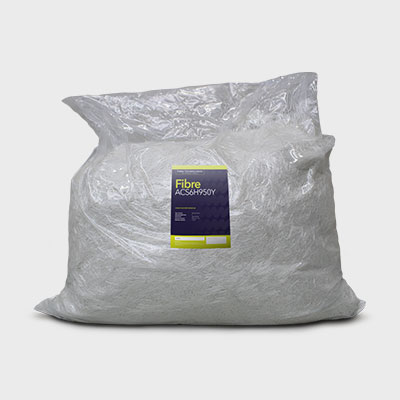
- Alkali-Resistant Glass Fibre Rovings
- Cement
- Sand
- Water
- Superplasticiser
- Acrylic Polymer (optional)
Traditional Hand Spray
The Traditional Hand Spray method is a time-tested method, used for decades in GRC production. Through a specially designed spray gun, such as the Concentric Spray Gun, manufacturers can simultaneously spray chopped AR Glass Fibres and cementitious slurry onto a mould, efficiently distributing fibre throughout the mix. This process is followed by hand compaction using a spring roller to ensure maximum flexural strength is achieved.
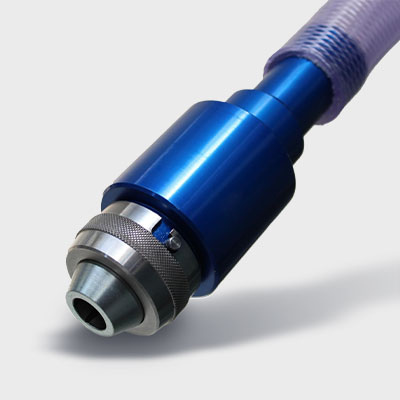
Likely the most integral component of the Traditional Hand Spray method, the Concentric Spray Gun is used around the world by GRC production experts for the efficient spray application of GRC.
The glass fibre is cut to length within the rear chopper mechanism whilst compressed air propels these chopped fibres through the atomiser body nozzle. Simultaneously, slurry is conveyed to the nozzle from the pump and is emitted from an annulus surrounding the fibre. Compressed air, supplied direct from the nozzle, atomises the slurry and the two materials are projected as a composite.
Traditional Hand Spray is known for achieving the highest strength levels, attributable to its high content of AR Glass Fibre (4-5% by weight), elongated fibre lengths, and planar fibre orientation.
Got a Question About GRC?
From production equipment to raw materials, we’ve got the knowledge and expertise to answer your GRC enquiry
Mix Design Guide
Hand Spray (polymer)
| Quantities (kgs) | Ratios | |
|---|---|---|
| Cement (OPC): | 50.0 | Cement/Sand Ratio 1:1 |
| Sand: | 50.0 | |
| Water: | 13-14 | Water/Cement Ratio 0.31-0.33 (14.0 Added Water, 2.5 in Polymer) |
| Acrylic Polymer (50% solids): | 5.00 | |
| Superplasticiser: | 125ml | Plasticiser 0.25% on Cement |
*Sprayed with 5% Glass Fibre AR2500H103
Hand Spray (non-polymer)
| Quantities (kgs) | Ratios | |
|---|---|---|
| Cement (OPC): | 50.0 | Cement/Sand Ratio 1:1 |
| Sand: | 50.0 | |
| Water: | 16-17 | Water/Cement Ratio 0.32-0.34) |
| Superplasticiser: | 250ml | Plasticiser 0.5% on Cement |
*Sprayed with 5% Glass Fibre AR2500H103

Equipment & Materials Required
Materials:
Sprayed Premix
The Sprayed Premix method involves the use of pre-mixed GRC, combining chopped AR Glass Fibres with a cementitious slurry prior to spray application. The premix GRC can then be applied using a specially designed gun such as the MK5A.
The nature of GRC mixes requires a specialist mixer such as the GRC125 Combination Mixer – the only mixer capable of producing spray grade and premix slurry.
When it comes to premix GRC, this mixers’ triple-helix blade and variable speed of 0-1400rpm makes it perfectly suited for the two-stage mixing involved in the production process.
The premix process begins with a high shear mixing action to produce a high-quality slurry with a low water:cement ratio. Once the slurry is prepared, the fibre is introduced and blended with a gentler mixing action. This adjustment of the mixer speed is an integral part of the process since adding fibre to a high shear mixer would cause the strand to break into filaments, thus reducing the workability of the mix.
In contrast with Traditional Hand Spray, strengths attained through the Sprayed Premix method are generally lower, mainly due to reduced AR Glass Fibre content (generally around 3% by weight), shorter fibre lengths, and a multi-dimensional fibre orientation.
However, the Sprayed Premix approach stands out by delivering mechanical properties that are more consistent and, in some cases, superior to those produced by the vibration cast premix method. This technique ensures uniform distribution of fibres throughout the mix, resulting in materials that exhibit exceptional integrity and durability.
Mix Design Guide
| Quantities (kgs) | Ratios | |
|---|---|---|
| Cement (OPC): | 50.0 | Cement/Sand Ratio 1:1 |
| Sand: | 50.0 | |
| Water: | 13.5 | Water/Cement Ratio 0.32 |
| Acrylic Polymer: | 5.00 | 5% Polymer Solids on Cement |
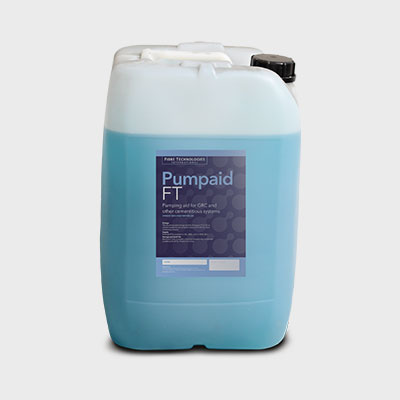
| Pumpaid FT: | 250ml | |
| Superplasticiser: | 125ml | |
| Glass Fibre: | 3.68kg |
*Fibre Type ACS13PH901X

Conclusion
So, which method is best for your GRC production? Ultimately, this decision is dependent on the specific requirements of a project.
For custom designs and architectural elements demanding flexural strength, Traditional Hand Spray may be the best choice.
However, if ultimate strength isn’t the main priority, Sprayed Premix GRC may offer a more practical solution.
Both methods of GRC production can yield phenomenal results under the right circumstances. By carefully assessing project needs, manufacturers can make informed decisions on which method is best suited to deliver high-quality GRC products tailored to client specifications.