Using GRC in Biophilic Design - Reinforcing Our Connection with Nature
As urbanisation and migration into cities increases, the requirement for more natural spaces to be converted into urban, artificial environments steadily grows.
It’s vital we find a balance between the modern, built environment and our natural world, a notion that biophilic design grounds itself upon.
Biophilic design follows the theory that, as our species has evolved, we have become biologically encoded to associate with natural features and processes. This design ideology seeks to connect our inherent need to affiliate with nature in our modern, urban landscape.
Glassfibre Reinforced Concrete (GRC / GFRC) has emerged as a welcome solution in bringing biophilic designs to life. The material’s unique and innovative properties make it perfectly suited to seamlessly integrate into all areas of design; from simply shaped plant pots to complex organic structures, GRC can do it all.

Photo Credit: Chris Lee on Unsplash
What Are The Benefits of Biophilic Design?
The key idea of biophilic design is to increase connectivity between nature and building structures and, in particular, to the people occupying them. Building this connection helps bring people back into nature, improving their mental and physical wellbeing.
In the workplace, for example, following biophilic design practices has numerous benefits. Studies have shown that introducing natural elements in the office provides the following:
- Reduced stress levels
- Increased productivity
- A reduction in sick days and absenteeism
- Higher attractivity for job candidates
- Reduced pollution and cleaner air
- Lower noise levels
- Creativity boost
Biophilic design is integral to enabling us to experience nature and feel part of it, even in the most urban, crowded cities. This is why it’s important to take notice of materials that make it all possible, such as Glassfibre Reinforced Concrete

What is Glassfibre Reinforced Concrete?
Glassfibre Reinforced Concrete is a truly remarkable material. Produced using specialist equipment & materials, it combines the strength and durability of concrete with the flexibility and lightweight properties of alkali-resistant glass fibres.
GRC offers architects, engineers, and designers a versatile solution for creating intricate architectural elements, facades, and structural components with exceptional strength and aesthetic appeal.
The versatile, durable, and aesthetically appealing characteristics of GRC make it perfectly suited for integration into biophilic design. Applications can be as varied as a designer is imaginative – ranging from creating organic shapes inspired by nature, building new homes for plants and wildlife, or forming artificial landscape features.
The possibilities are limitless.
How Can GRC be Used in Biophilic Design?
Natural Textures & Forms
Thanks to GRC’s ability to mimic natural materials such as stone, wood, or even organic shapes found in nature, designers can create surfaces and structures that evoke a natural ambiance. From cladding and facades that resemble natural stone to interior wall panels with intricate leaf patterns, GRC can bring the artificial to life.
Green Walls & Planters
The customisable attributes of GRC make it perfect for creating custom green walls and planters, which are essential components of biophilic design. Its lightweight yet strong properties make it perfectly suited for vertical gardens, providing the necessary support without adding excessive weight. Additionally, GRC planters can be designed in various shapes and sizes, allowing for flexibility in incorporating greenery into any space.
Indoor Water Features
Water elements can add a sense of tranquillity and calm to a space, particularly in interiors. GRC’s ability to form complex shapes and its resistance to water make it an excellent material for indoor fountains, water walls, and other aquatic features.
Outdoor Spaces
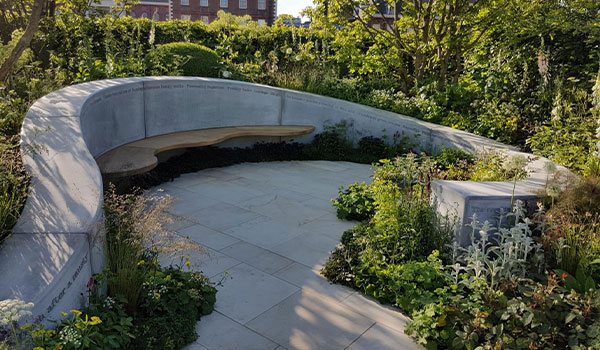
GRC’s durable and weather-resistant attributes highlight it as an essential material for creating long-lasting and aesthetically pleasing outdoor biophilic elements. Its resilience makes it ideal for outdoor furniture, garden sculptures, and other landscape features. By using GRC, designers can seamlessly integrate natural forms and textures into patios, terraces, and gardens, creating harmonious outdoor environments.
Got a Question About GRC?
From production equipment to raw materials, we’ve got the knowledge and expertise to answer your GRC enquiry
Case Study: Microsoft Plaza, Auckland, NZ
A fantastic example of blending GRC with biophilic design practices would be the Microsoft Plaza project in Auckland, New Zealand. Here, urban and natural features have been meticulously arranged to create this stunning outdoor space.
All of the area’s architectural concrete features, including seating, retaining walls, stairs, and bleachers, were produced by GRC manufacturers, Liquidstone. The project’s location above an underground carpark meant that not exceeding maximum loading weights was a key consideration in the production of all the structures features.
Thanks to GRC’s lightweight nature, all elements met the restrictive weight specifications outlined for the design. Moreover, the use of GRC throughout the project allowed for improved speed of construction, high durability, lateral strength, and strong visual impact.
The resulting structure stands as an exemplary example of utilising GRC in biophilic design and demonstrates how the material can be relied upon by designers for meeting tight project specifications.
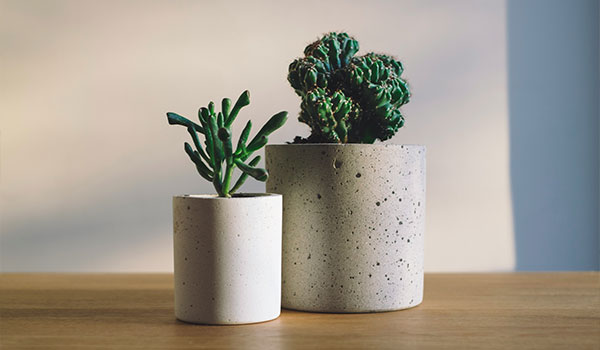
Photo Credit: Freddie Marriage on Unsplash
How Can GRC Contribute to Sustainable Biophilic Design?
Biophilic design emphasises the importance of sustainability and GRC aligns perfectly with this principle.
Green infrastructure alone can help decrease CO2 emissions, boost the biodiversity of plants and wildlife, and even regulate the temperature of buildings. Incorporating GRC into urban spaces further enhances these benefits by providing a durable, versatile, and lightweight material for innovative sustainable infrastructure.
When compared with its precast concrete equivalent, GRC has been shown to demonstrate a far lower environmental impact by a factor of as high as 60%. By optimising material usage, embracing recycled content, and streamlining production processes, GRC can significantly reduce the carbon footprint associated with construction activities.
Moreover, GRC’s durability and longevity ensures reduced environmental impact over time, mitigating the need for frequent replacements and associated carbon-intensive activities.
Combining these sustainable attributes with the green practices of biophilic design has unbound potential. By leveraging the versatility and durability of GRC, architects and designers can develop green infrastructures that are not only functional and resilient but also contribute significantly to a sustainable and harmonious urban environment.
Conclusion
Glassfibre Reinforced Concrete stands out as an exceptional material in the field of biophilic design. Its unique properties allow architects and designers to create innovative, sustainable, and aesthetically pleasing environments that bridge the gap between the natural and urban world.
From mimicking natural textures to supporting green walls and creating durable outdoor spaces, GRC can help build sustainable, resilient, and harmonious urban spaces that promote well-being and environmental responsibility.
Biophilic design simply begins with the right mindset and a willingness to improve our connection with nature, so if you’re looking to incorporate this design practice of the future into your next project, get in touch.
Power-Sprays can provide all the equipment you need for Glassfibre Reinforced Concrete production. Whether you’re looking for high-output spray machines, cutting-edge spray guns, or efficient mixing systems, we’ve got it all.
Our expert team are on hand with a wealth of industry experience to help you in your manufacturing processes.